


THE COLUMNS

The Columns

10 stations, countless stories — of towns that grew, economies that flourished, and the people whose hands built them. This is only a glimpse; the rest awaits your discovery at the park, etched column by column.

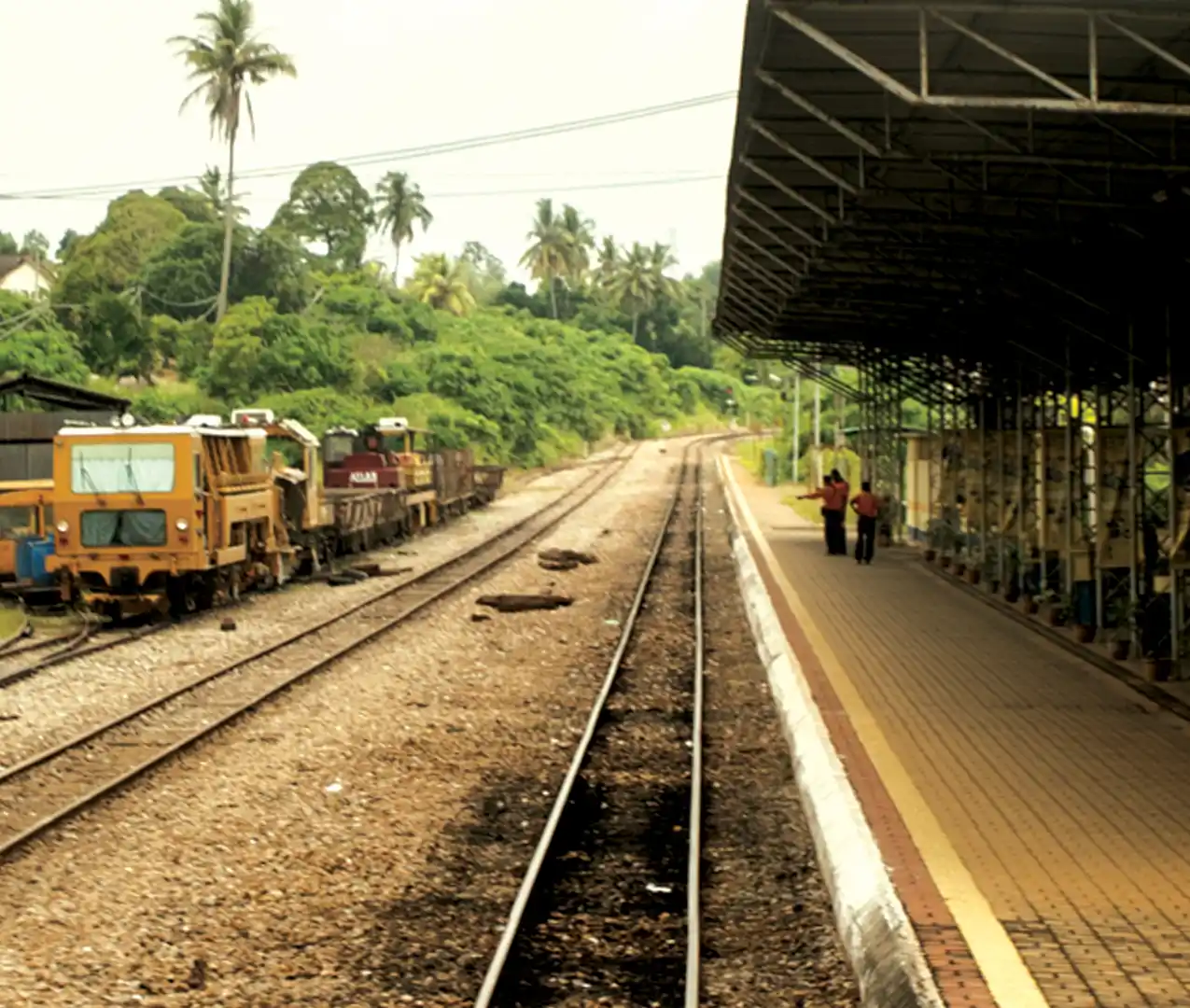
Segamat

In 1909, Segamat became Johor’s first gateway on the rail line south from Gemas. The station was later rebuilt in 1924, and its iconic iron truss bridge still stretches across the river — a familiar sight for generations.
Then
Now

Bekok

Bekok began as a quiet settlement built around rubber plantations. For workers and smallholders, the railway was everything — it connected them to bigger towns like Kluang and Segamat. These days, Bekok carries a nostalgic charm and stands as the western gateway to Taman Endau-Rompin National Park, where adventure and old-world serenity meet.
Then
Now

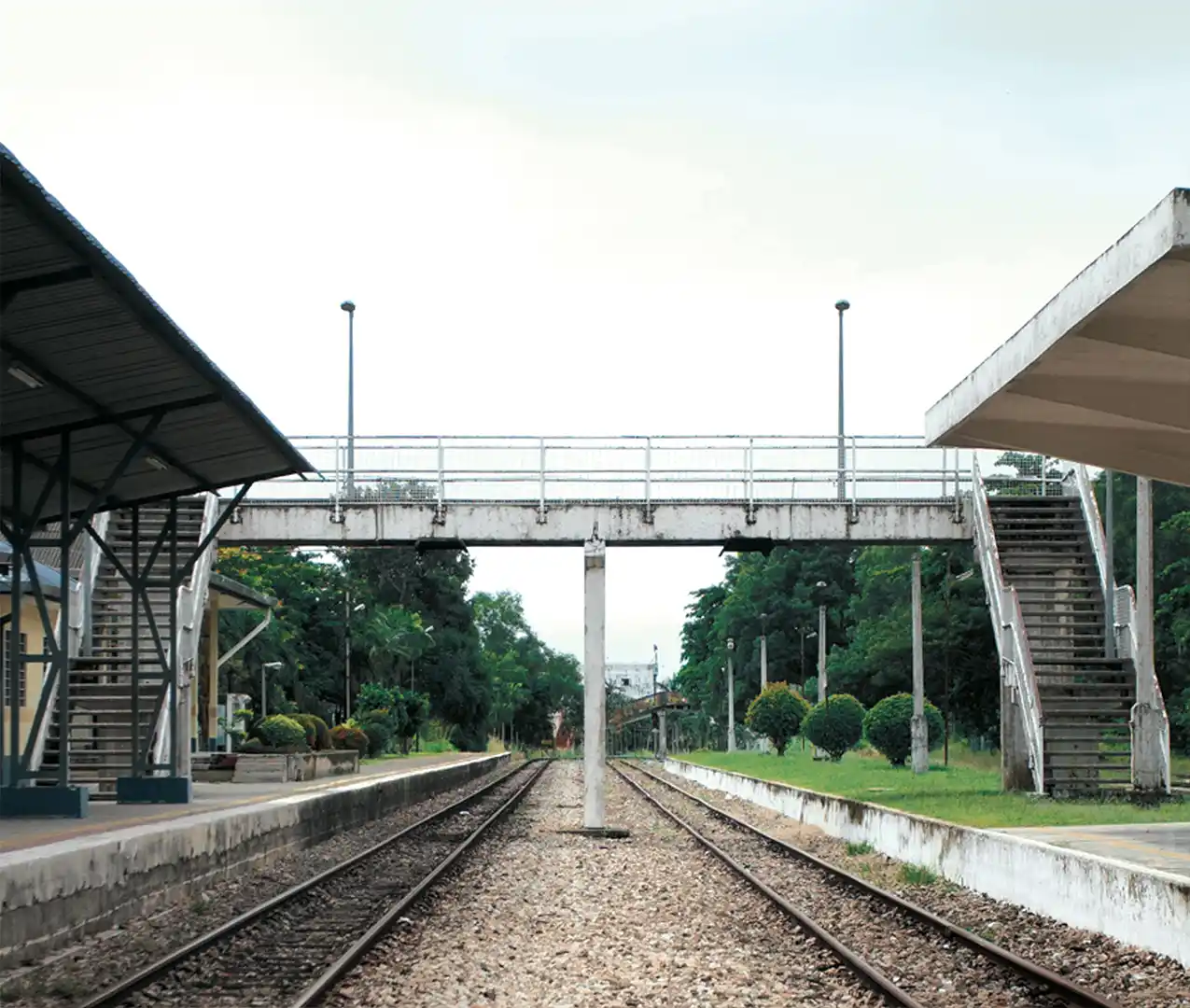
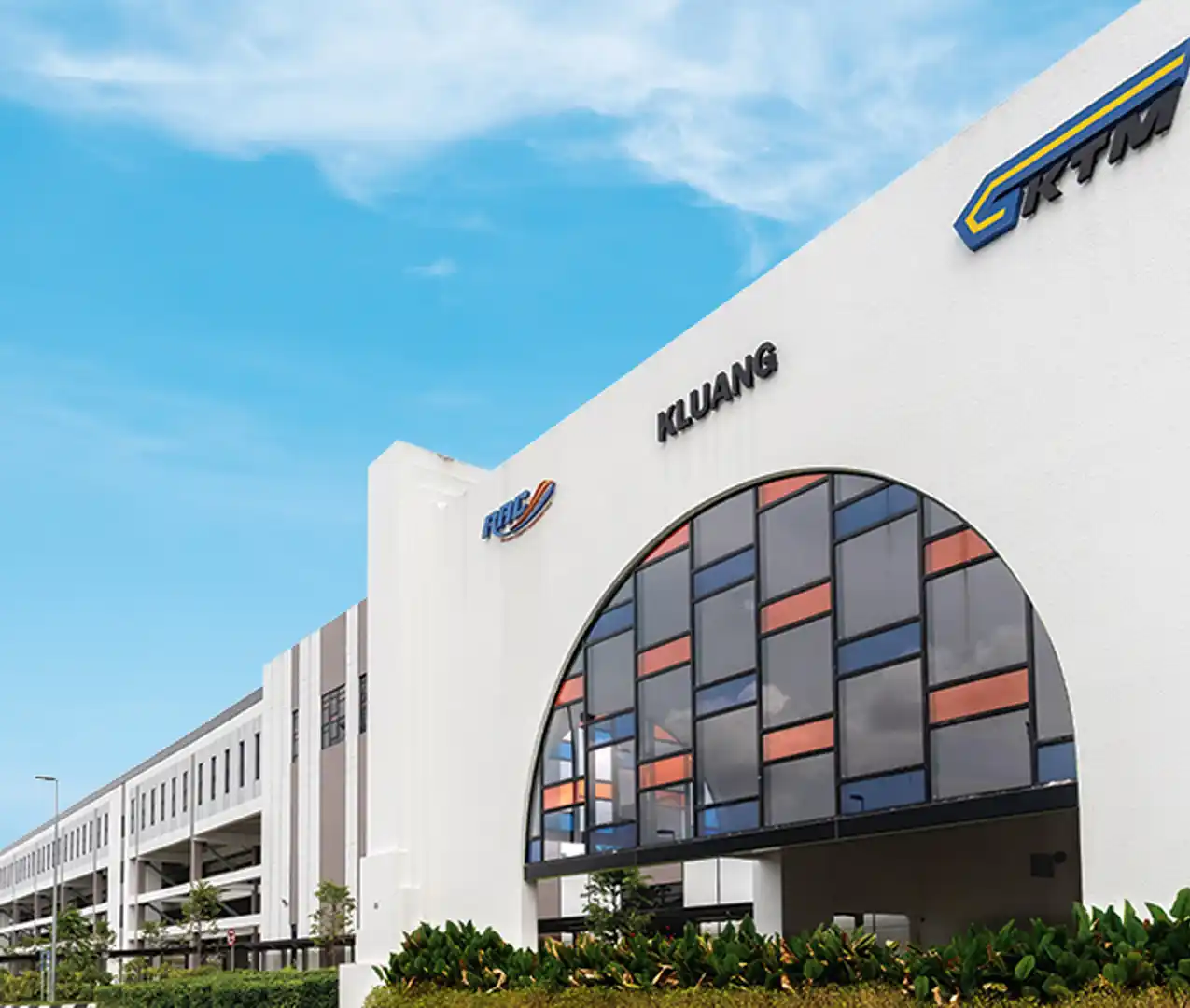
Kluang

With its central location, Kluang was once proposed as Johor’s capital in 1916. All northbound trains pass through here, making it a vital transit hub. It’s also home to the beloved Kluang Rail Coffee and rich in rubber and palm oil history.
Then
Now

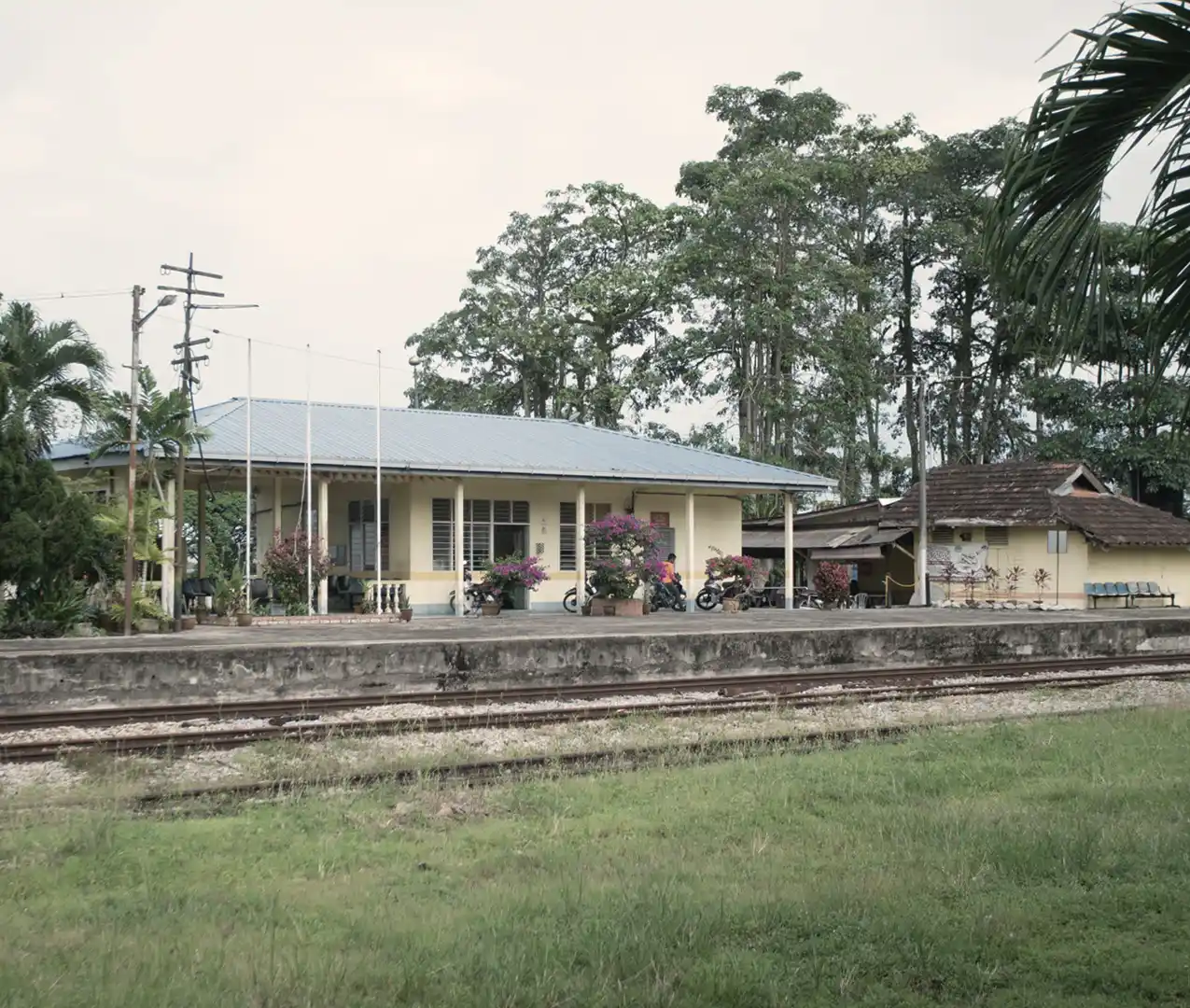
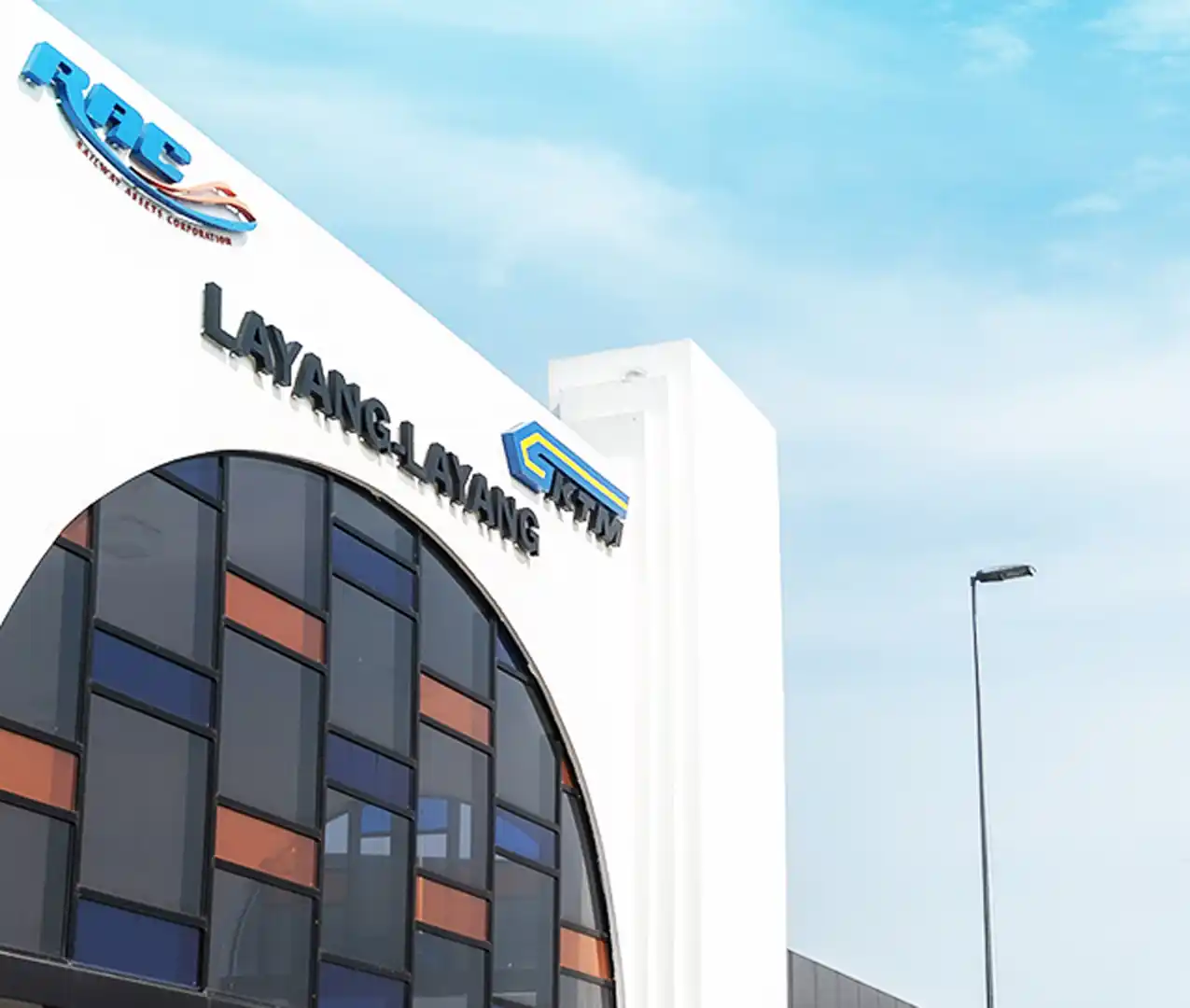
Layang-Layang

Some say the town got its name from the swallows and kites that once soared above the tracks. Layang-Layang grew around its station, becoming a small but soulful stop between Kluang and Johor Bahru. Morning tai chi on the field, childhood strolls along the rail — here, it’s the quiet moments that matter.
Then
Now

Kempas Baru

It started as a temporary stop in 1920, just a small halt between Senai and Tampoi. Locals called it Kempas, after the nearby stream. Within years, it grew into a proper station, with its roof taking on the distinct shape of Minang-style buffalo horns.
Then
Now
Then
Now

Labis

Once the lifeline for nearby rubber estates and Malay villages, Labis Railway Station turned this small town into a thriving agricultural centre. The trains brought goods to market and people to opportunity.
Then
Now

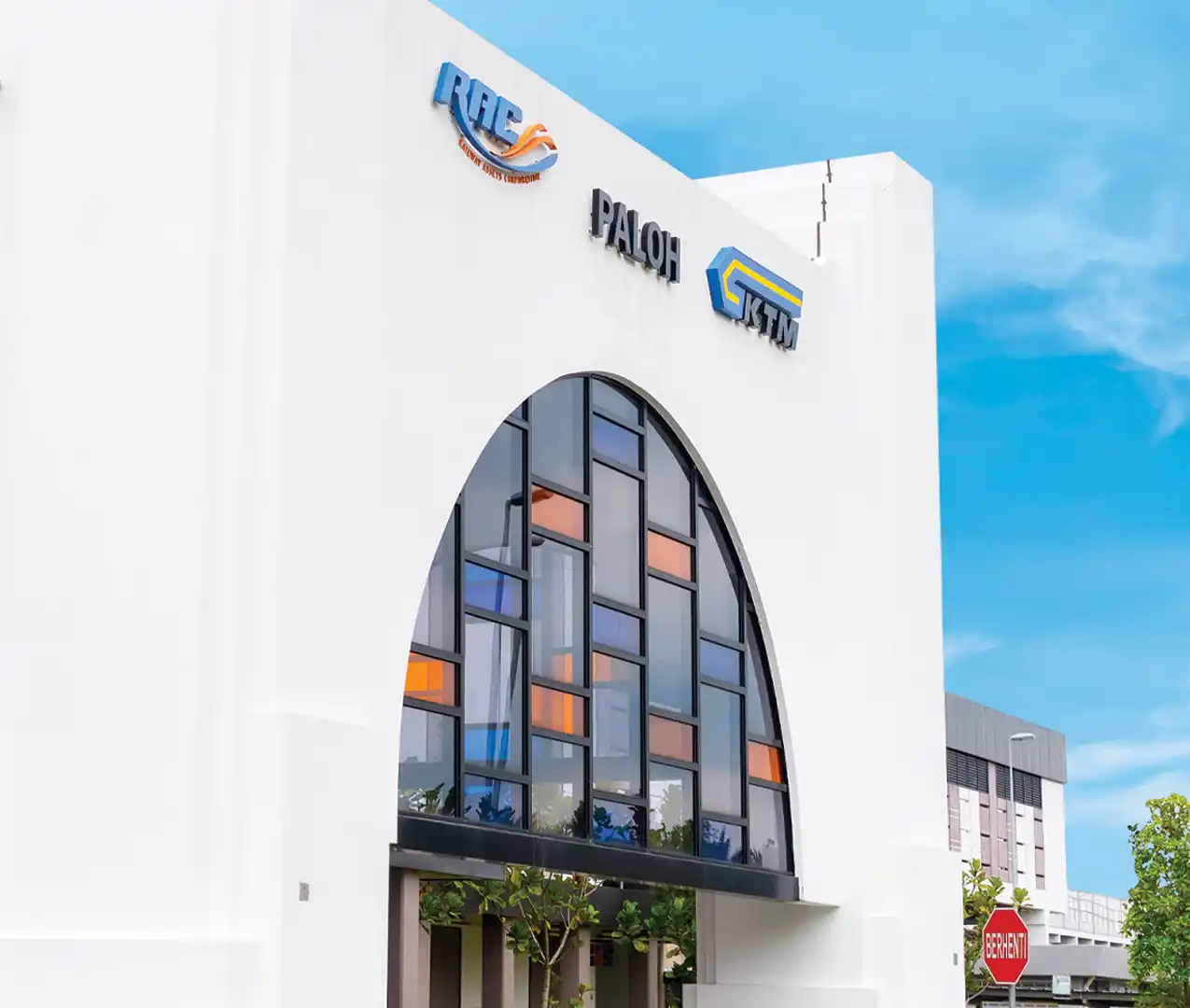
Paloh

Established in 1913, Paloh lies between Bekok and Niyor. Surrounded by rubber and oil palm estates, the town holds onto its roots. The original railway canteen now operates from a nearby shoplot, still serving locals daily.
Then
Now

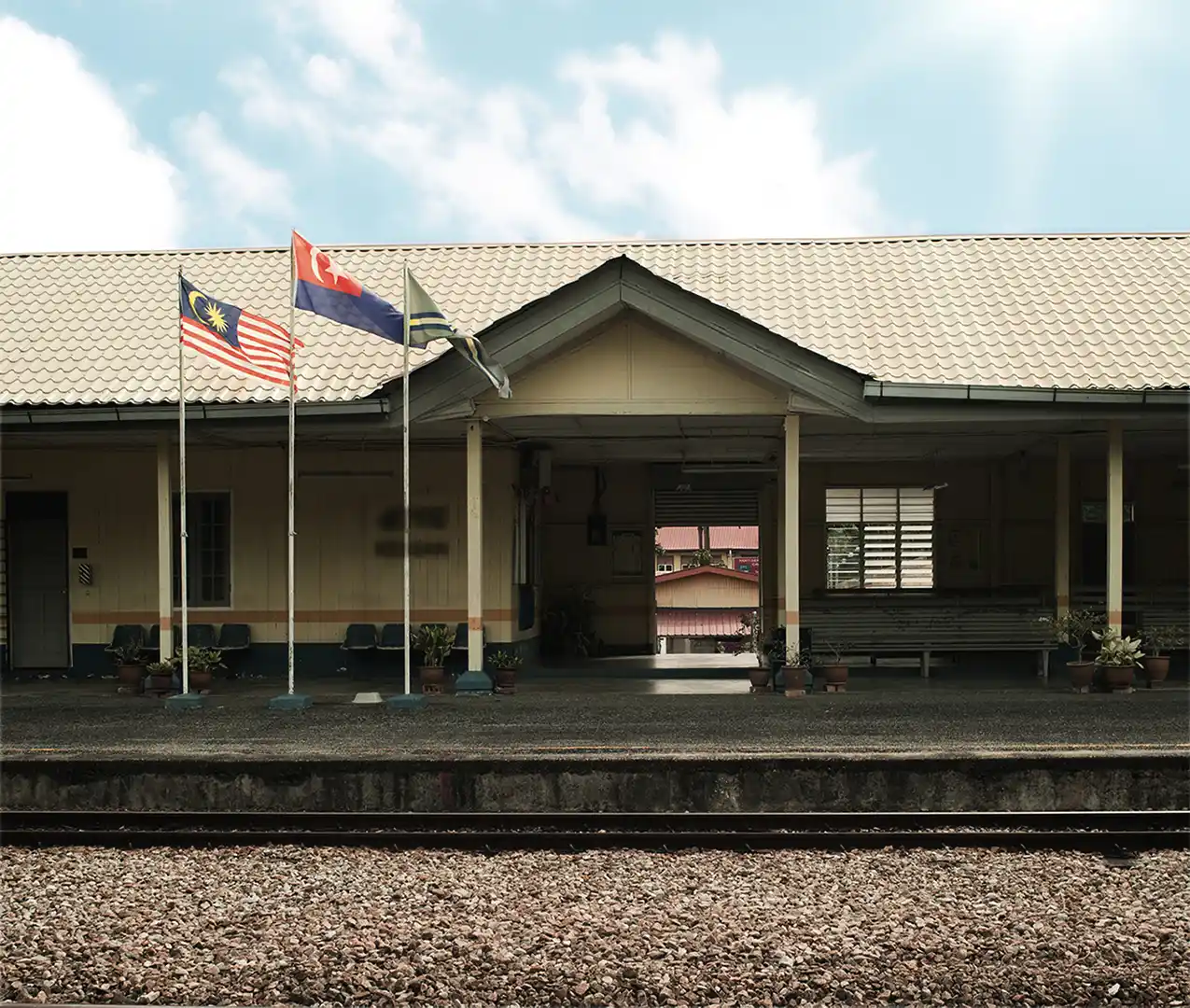
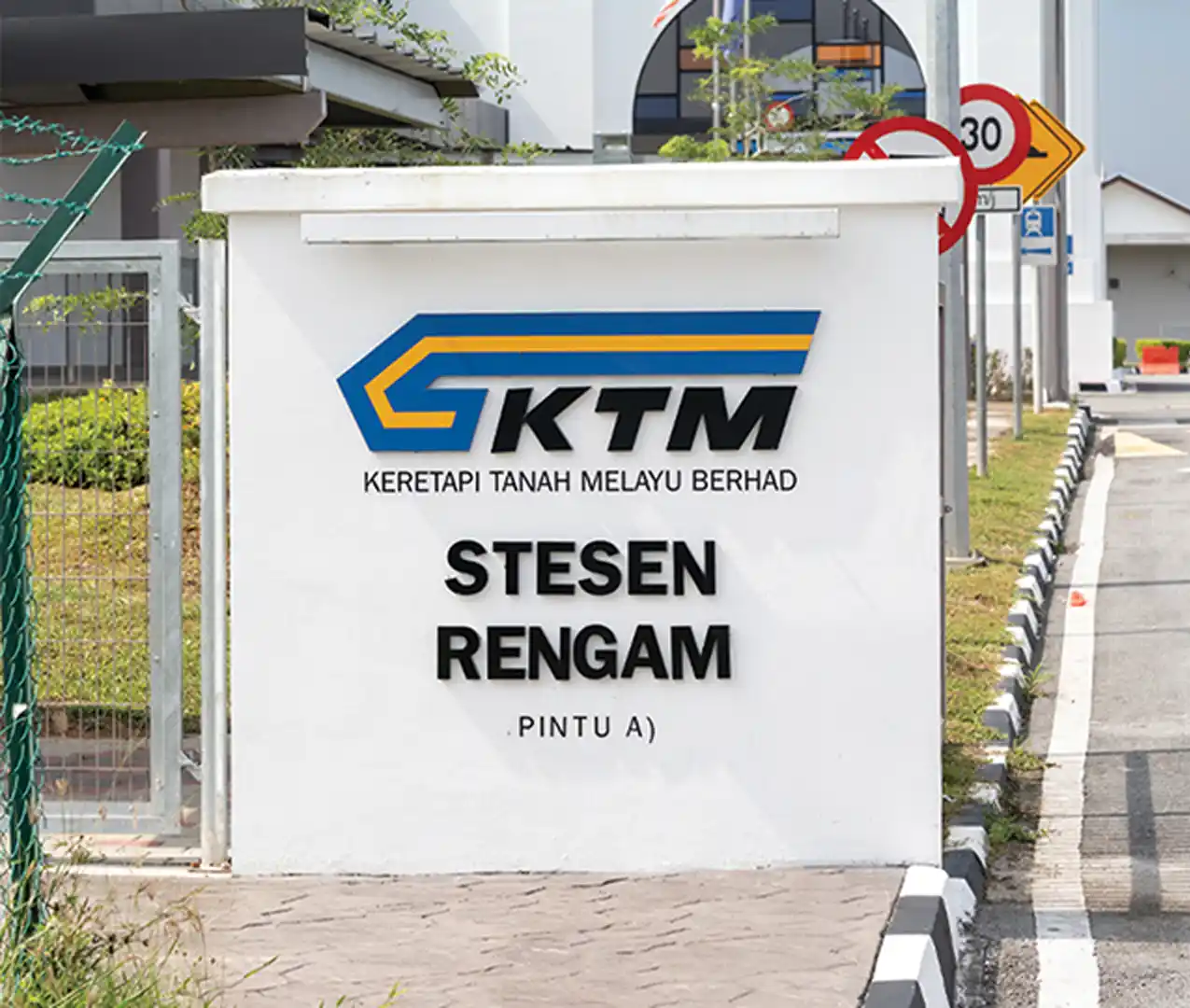
Rengam

Opened in 1909, Rengam was a stop surrounded by colonial-era plantations. The town’s history lives on in its vintage shophouses and the Hainanese Association building. A highlight? Queen Elizabeth II’s visit in the 1950s.
Then
Now

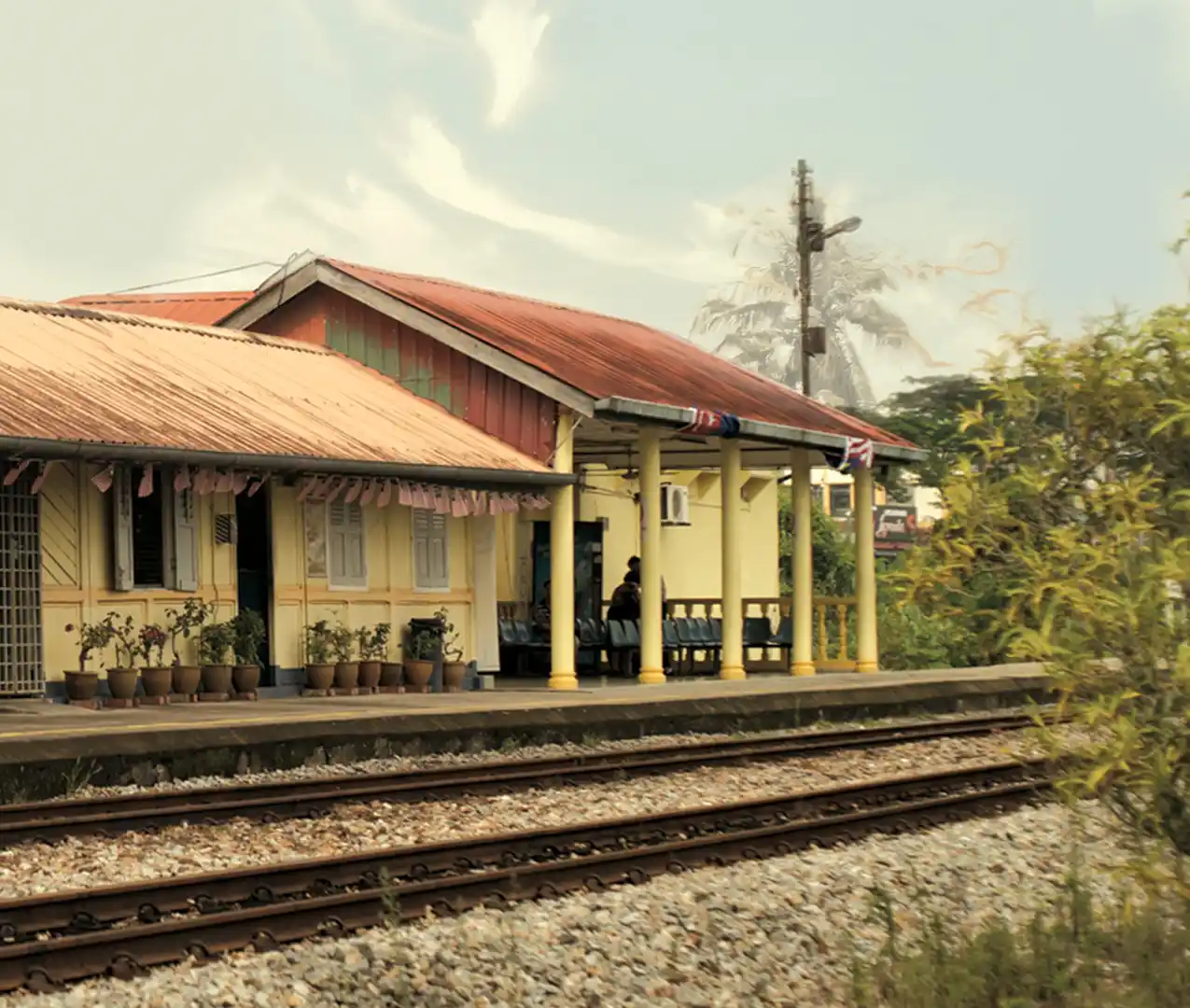
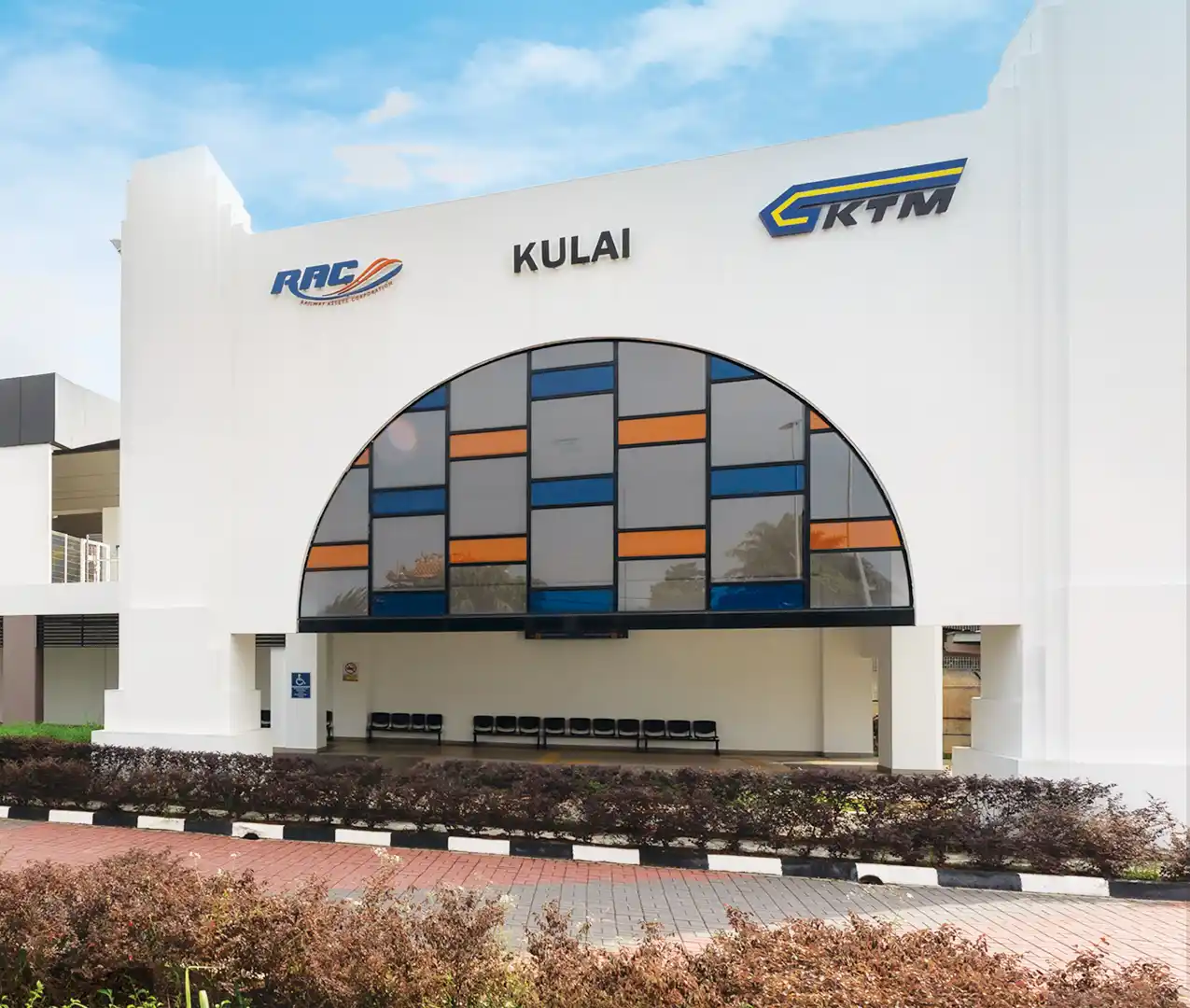
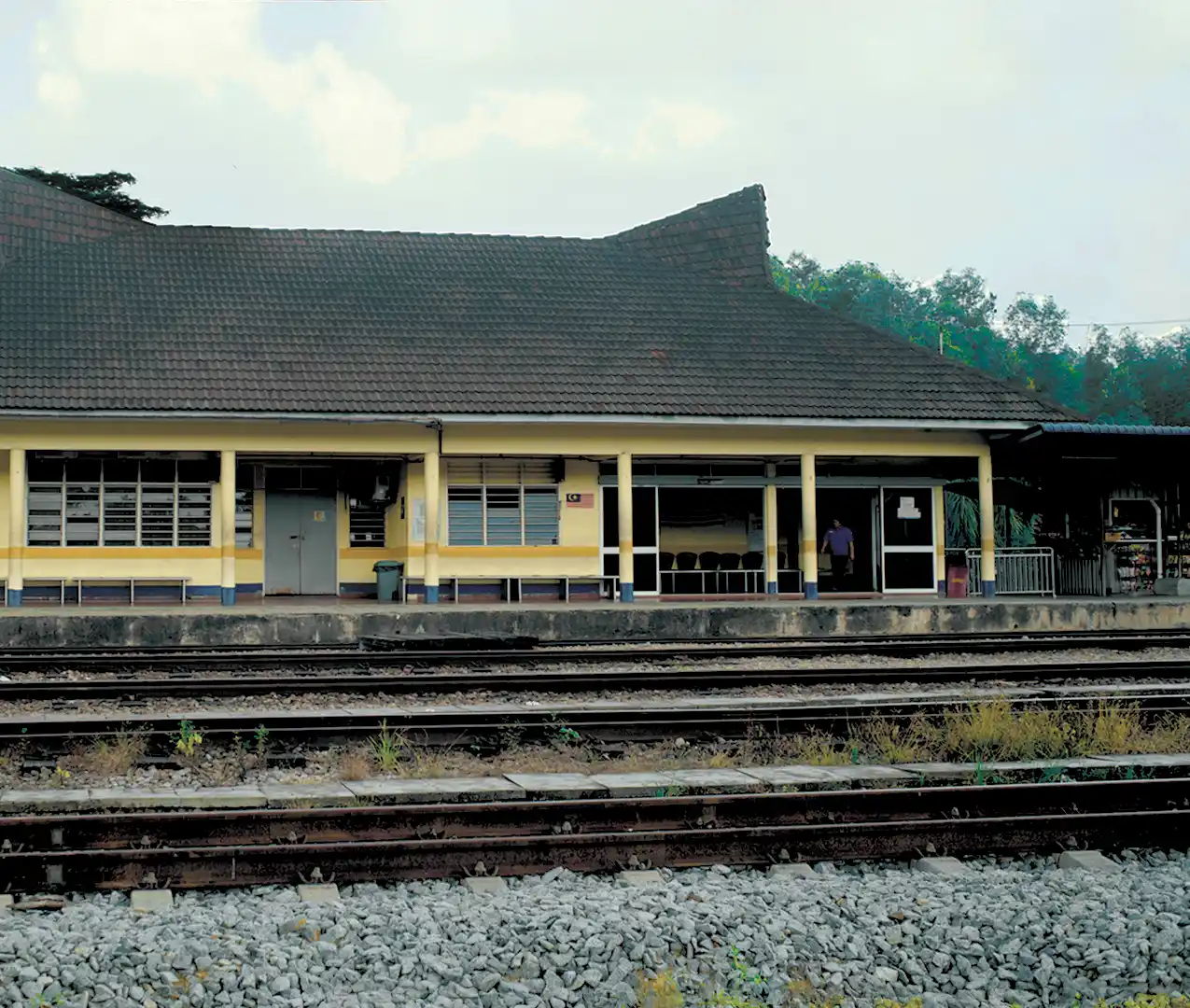
Kulai

Regardless of how the town got its name, Kulai’s story is filled with folklore and quiet pride. Its wooden railway station, opened in 1909, still stands by the main road — weathered but strong. These days, Kulai is often called one of Malaysia’s happiest towns, where the past lives on in every smile.
Then
Now

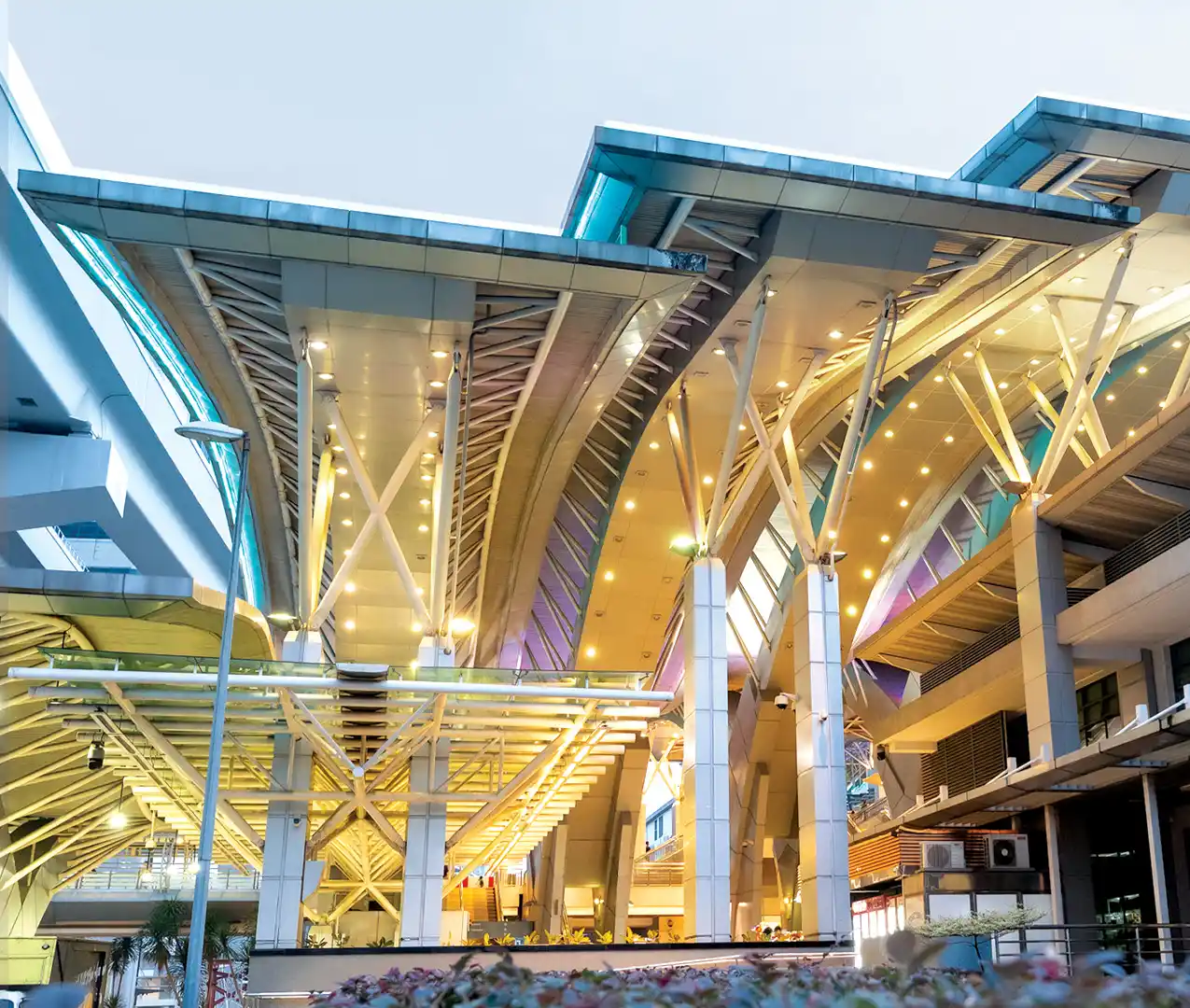
Johor Bahru Sentral

Once known as Tanjung Puteri, Johor Bahru (JB) began as a sleepy fishing village, but change arrived fast. The railway reached JB in 1909, and the iconic Causeway followed in 1924. As the city grew, so did the station — culminating in JB Sentral’s opening in 2010. Today, it’s not just a hub for cross-border travel, but a symbol of how far the city has come.

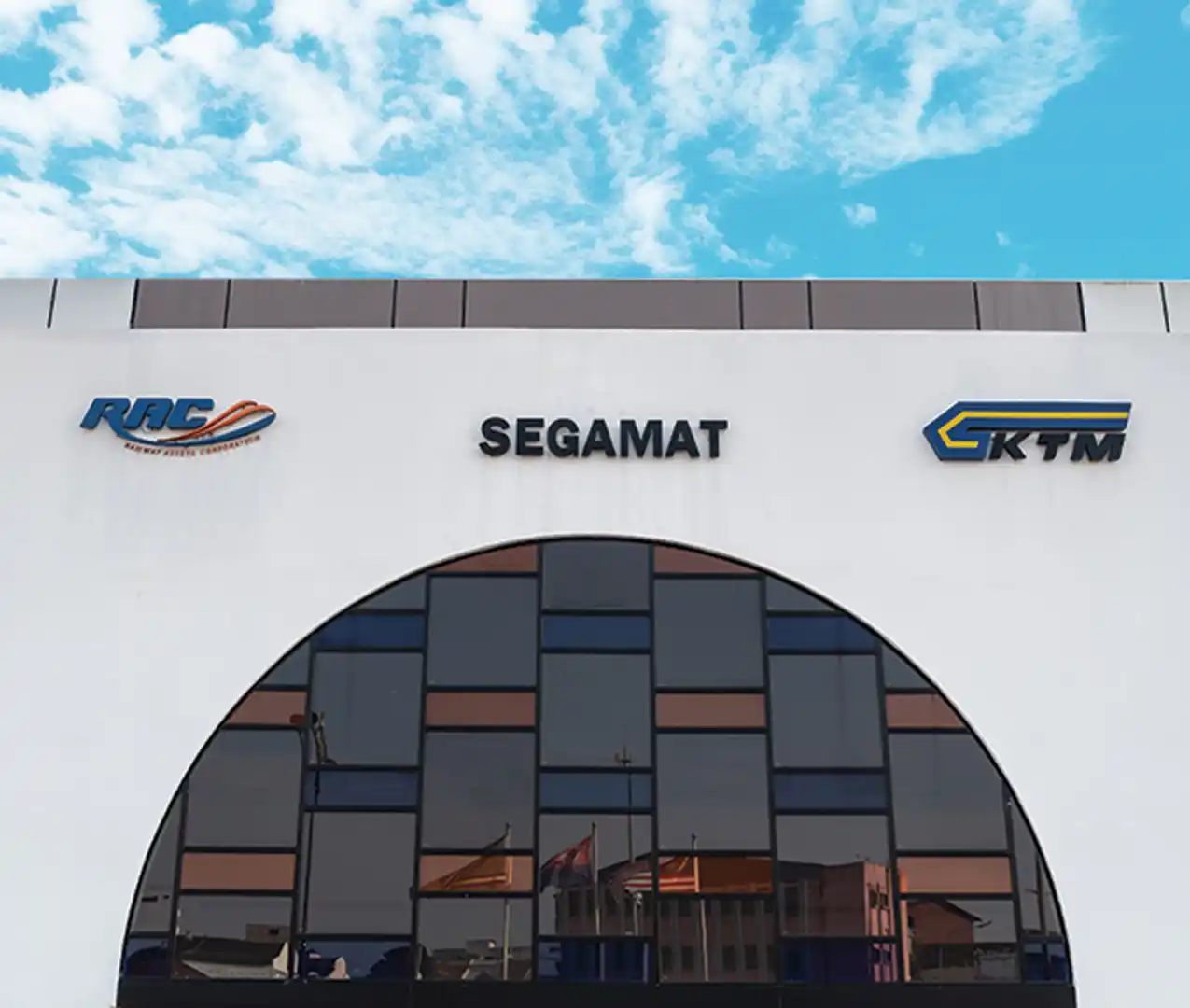
Segamat

In 1909, Segamat became Johor’s first gateway on the rail line south from Gemas. The station was later rebuilt in 1924, and its iconic iron truss bridge still stretches across the river — a familiar sight for generations.

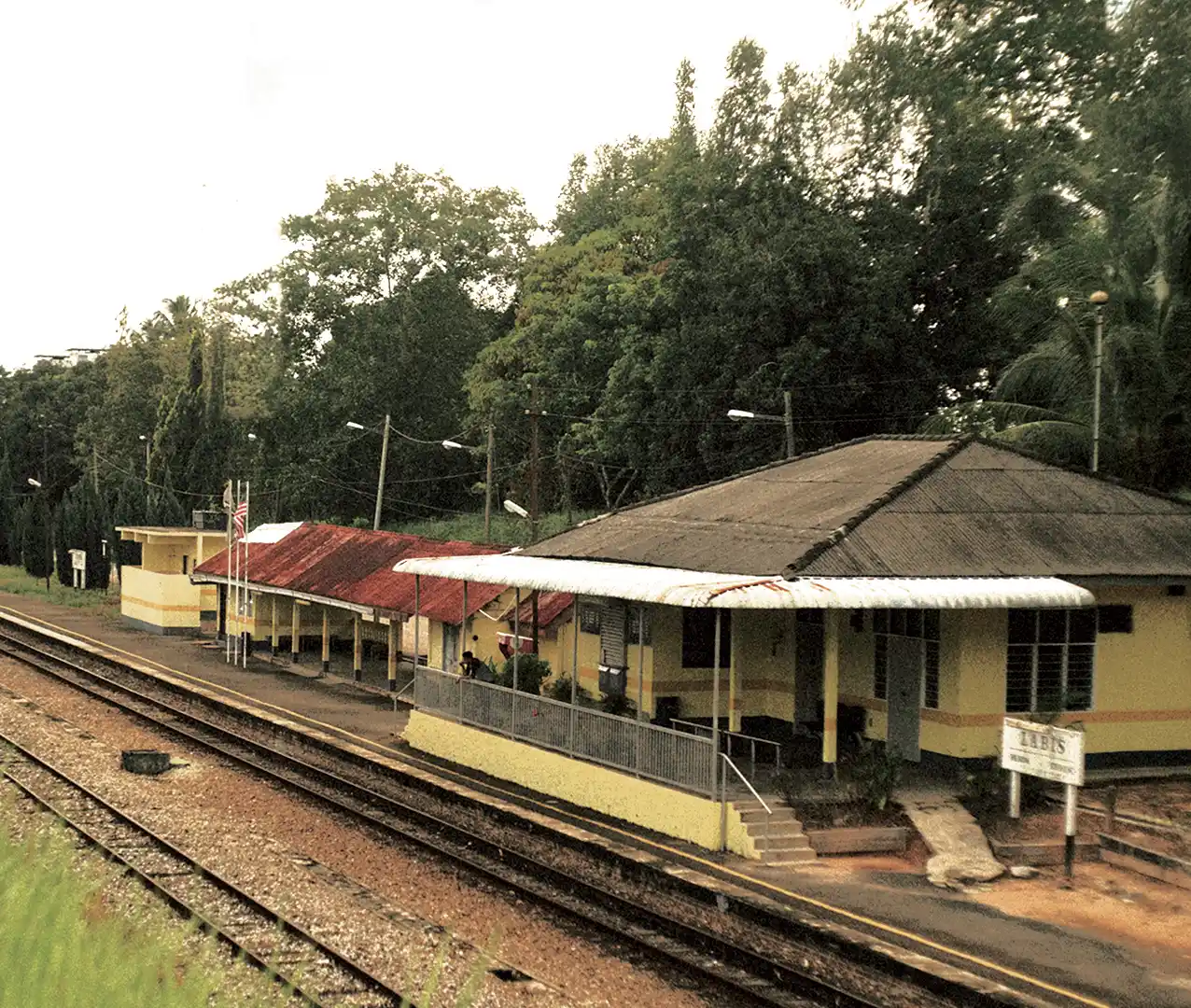
Labis

Once the lifeline for nearby rubber estates and Malay villages, Labis Railway Station turned this small town into a thriving agricultural centre. The trains brought goods to market and people to opportunity.
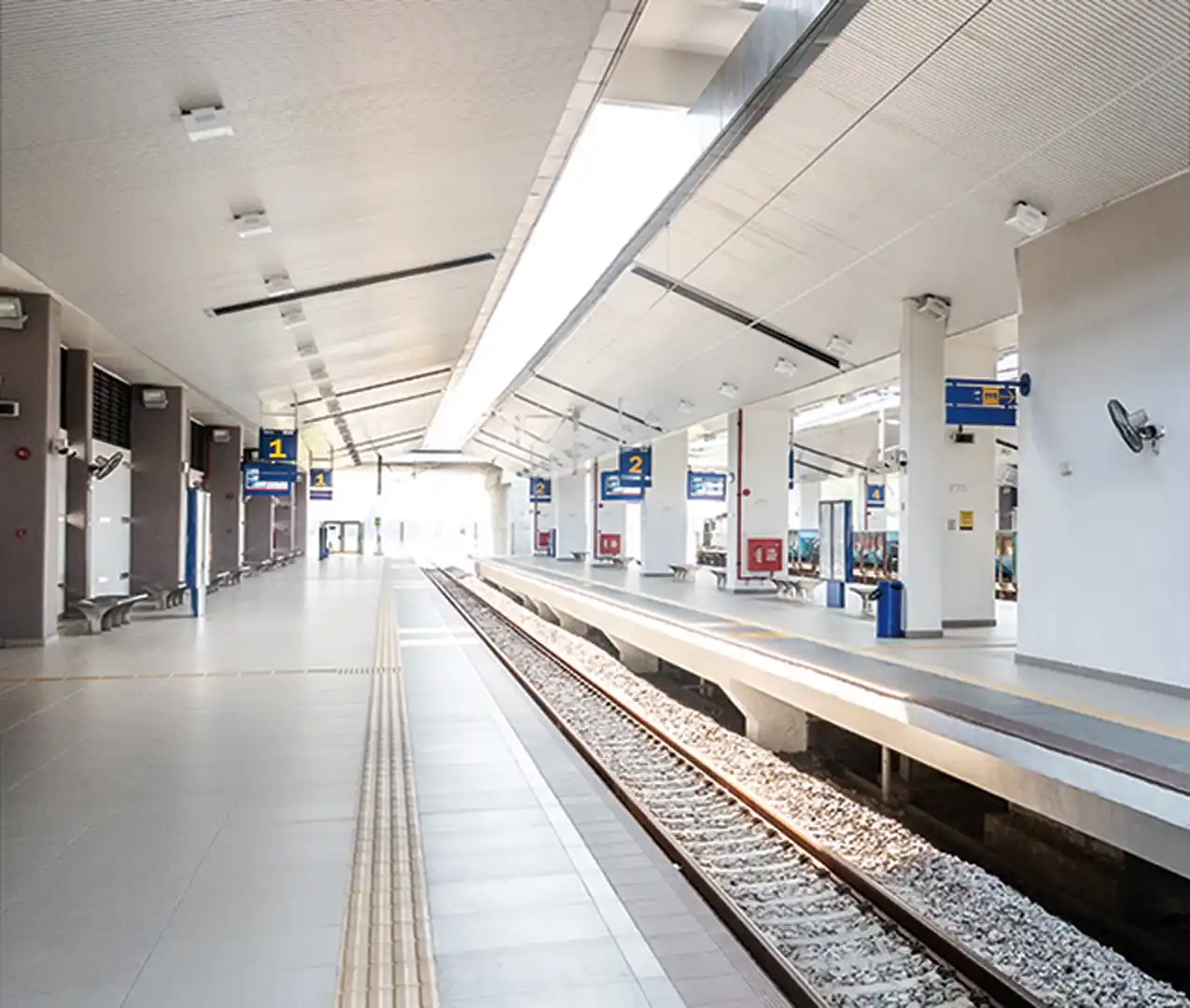
Bekok

Bekok began as a quiet settlement built around rubber plantations. For workers and smallholders, the railway was everything — it connected them to bigger towns like Kluang and Segamat. These days, Bekok carries a nostalgic charm and stands as the western gateway to Taman Endau-Rompin National Park, where adventure and old-world serenity meet.
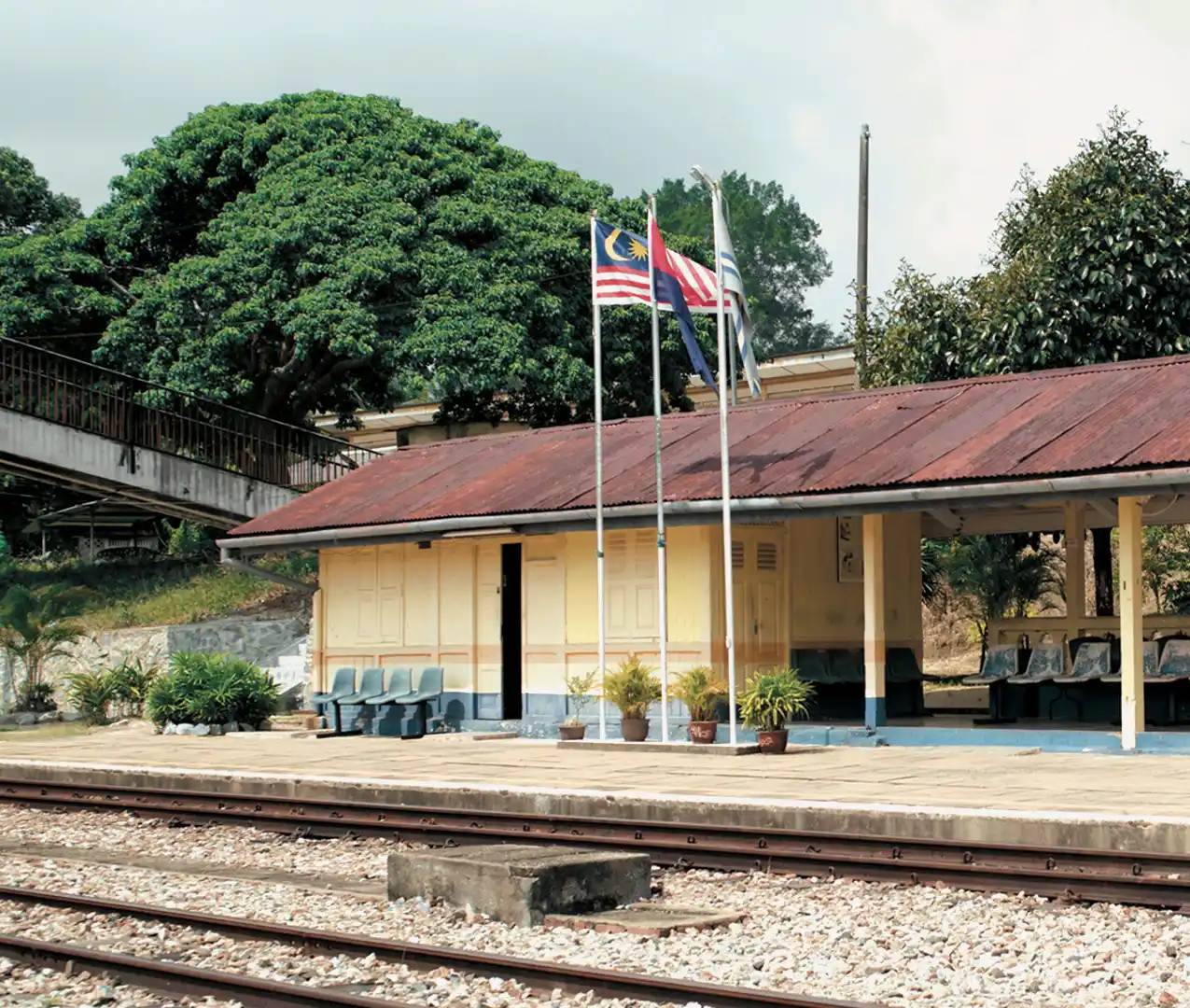
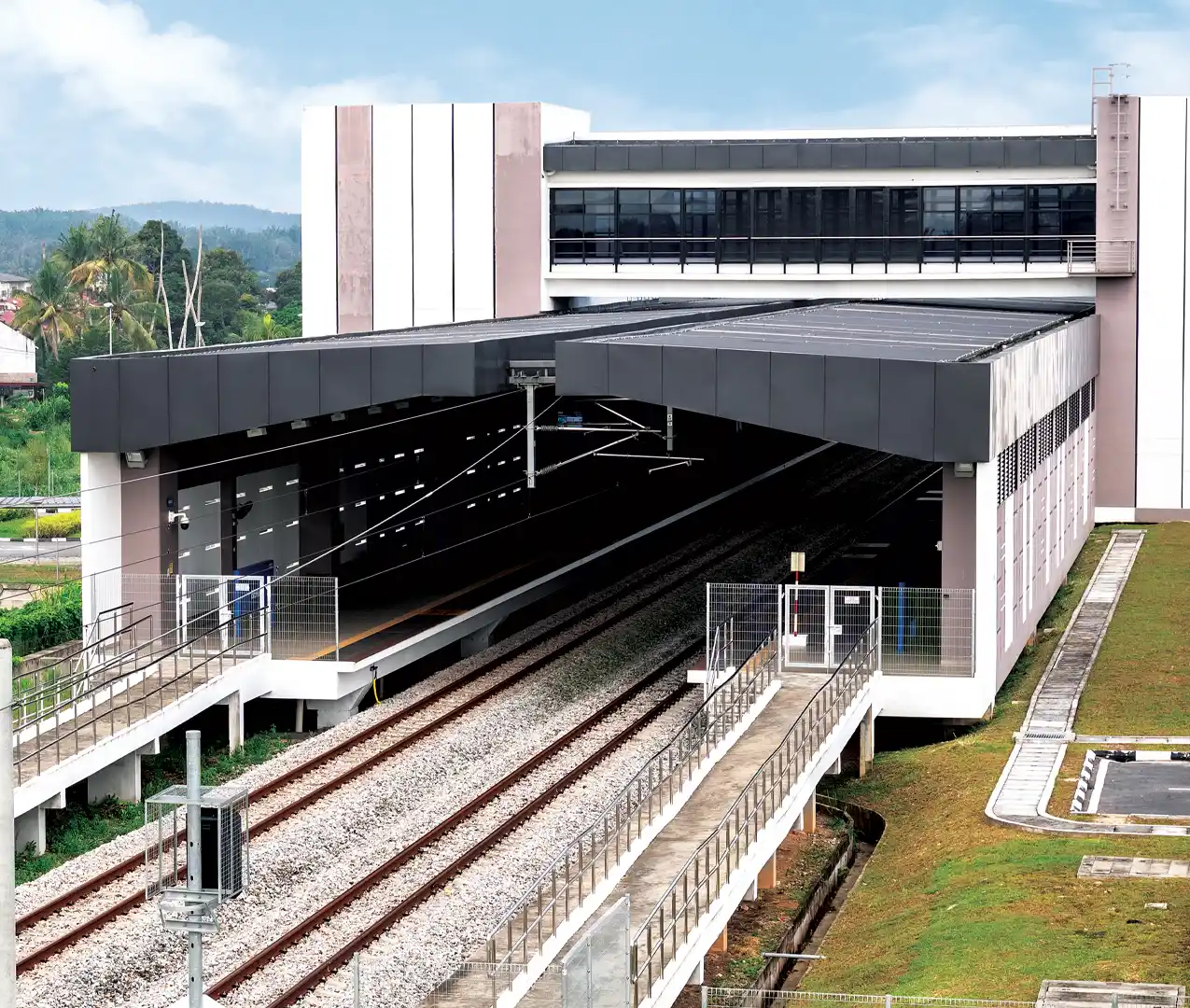
Paloh

Established in 1913, Paloh lies between Bekok and Niyor. Surrounded by rubber and oil palm estates, the town holds onto its roots. The original railway canteen now operates from a nearby shoplot, still serving locals daily.
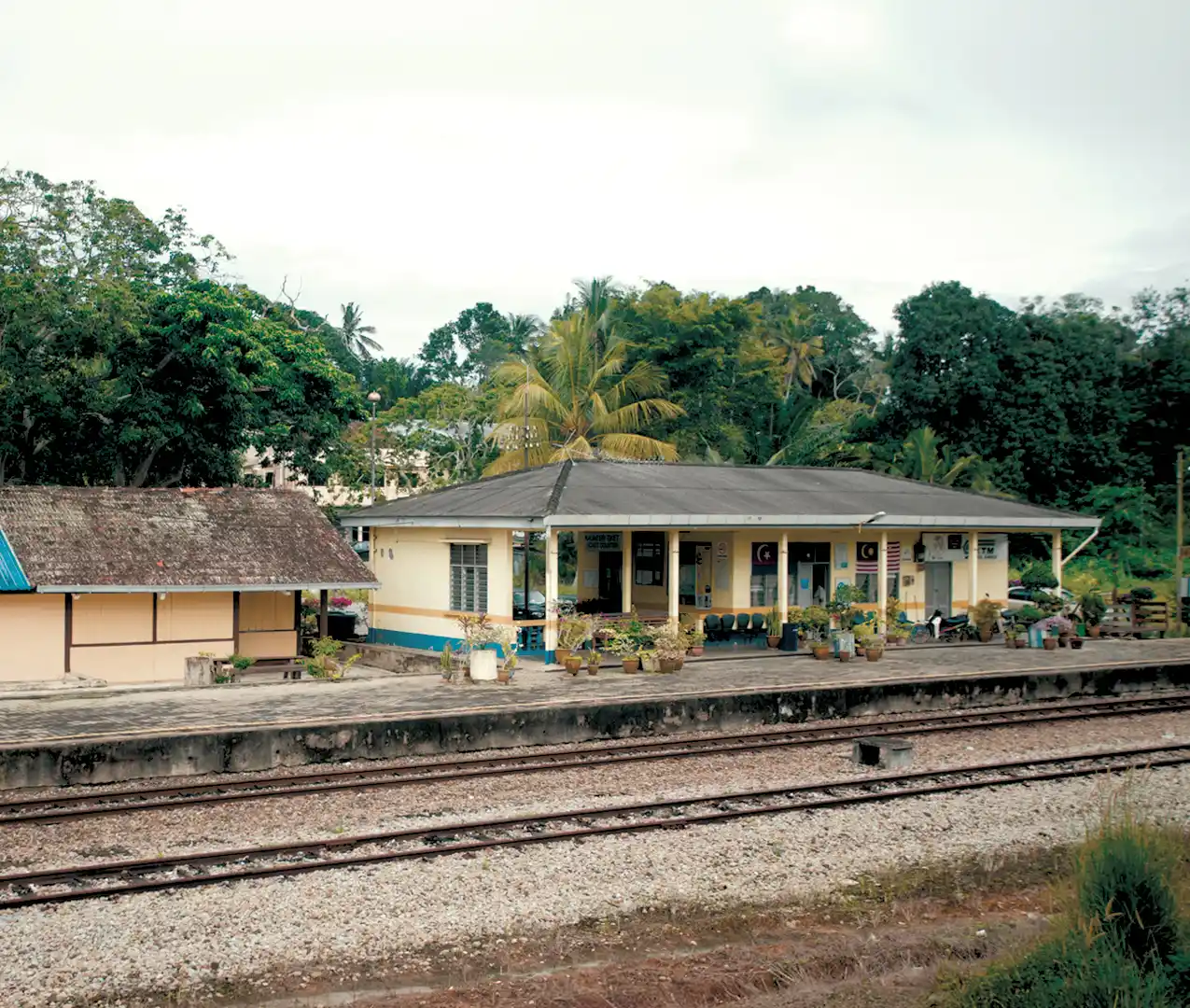
Kluang

With its central location, Kluang was once proposed as Johor’s capital in 1916. All northbound trains pass through here, making it a vital transit hub. It’s also home to the beloved Kluang Rail Coffee and rich in rubber and palm oil history.
Rengam

Opened in 1909, Rengam was a stop surrounded by colonial-era plantations. The town’s history lives on in its vintage shophouses and the Hainanese Association building. A highlight? Queen Elizabeth II’s visit in the 1950s.
Layang-Layang

Some say the town got its name from the swallows and kites that once soared above the tracks. Layang-Layang grew around its station, becoming a small but soulful stop between Kluang and Johor Bahru. Morning tai chi on the field, childhood strolls along the rail — here, it’s the quiet moments that matter.
Kulai

Regardless of how the town got its name, Kulai’s story is filled with folklore and quiet pride. Its wooden railway station, opened in 1909, still stands by the main road — weathered but strong. These days, Kulai is often called one of Malaysia’s happiest towns, where the past lives on in every smile.
Kempas Baru

It started as a temporary stop in 1920, just a small halt between Senai and Tampoi. Locals called it Kempas, after the nearby stream. Within years, it grew into a proper station, with its roof taking on the distinct shape of Minang-style buffalo horns.
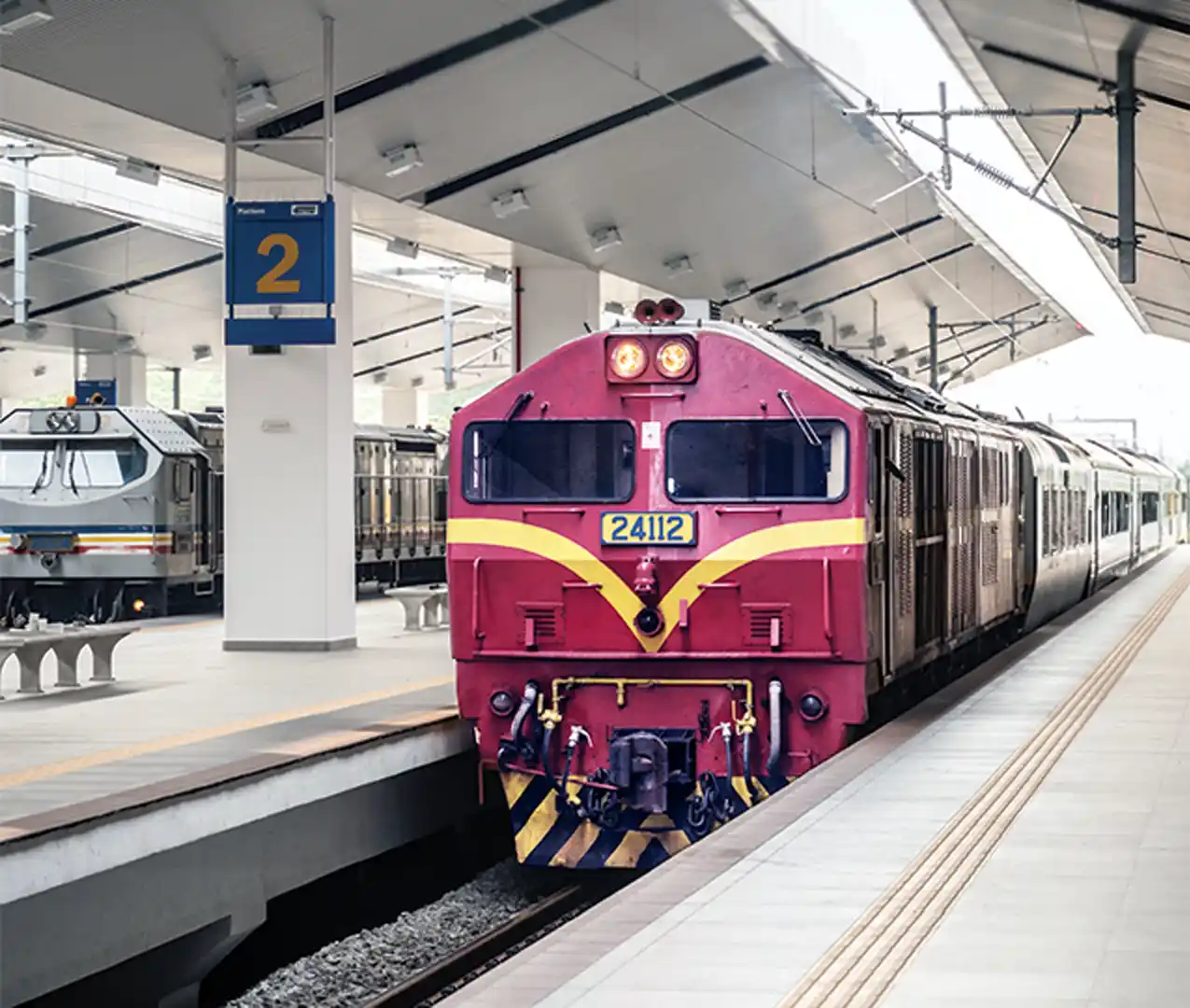
Johor Bahru Sentral

Once known as Tanjung Puteri, Johor Bahru (JB) began as a sleepy fishing village, but change arrived fast. The railway reached JB in 1909, and the iconic Causeway followed in 1924. As the city grew, so did the station — culminating in JB Sentral’s opening in 2010. Today, it’s not just a hub for cross-border travel, but a symbol of how far the city has come.
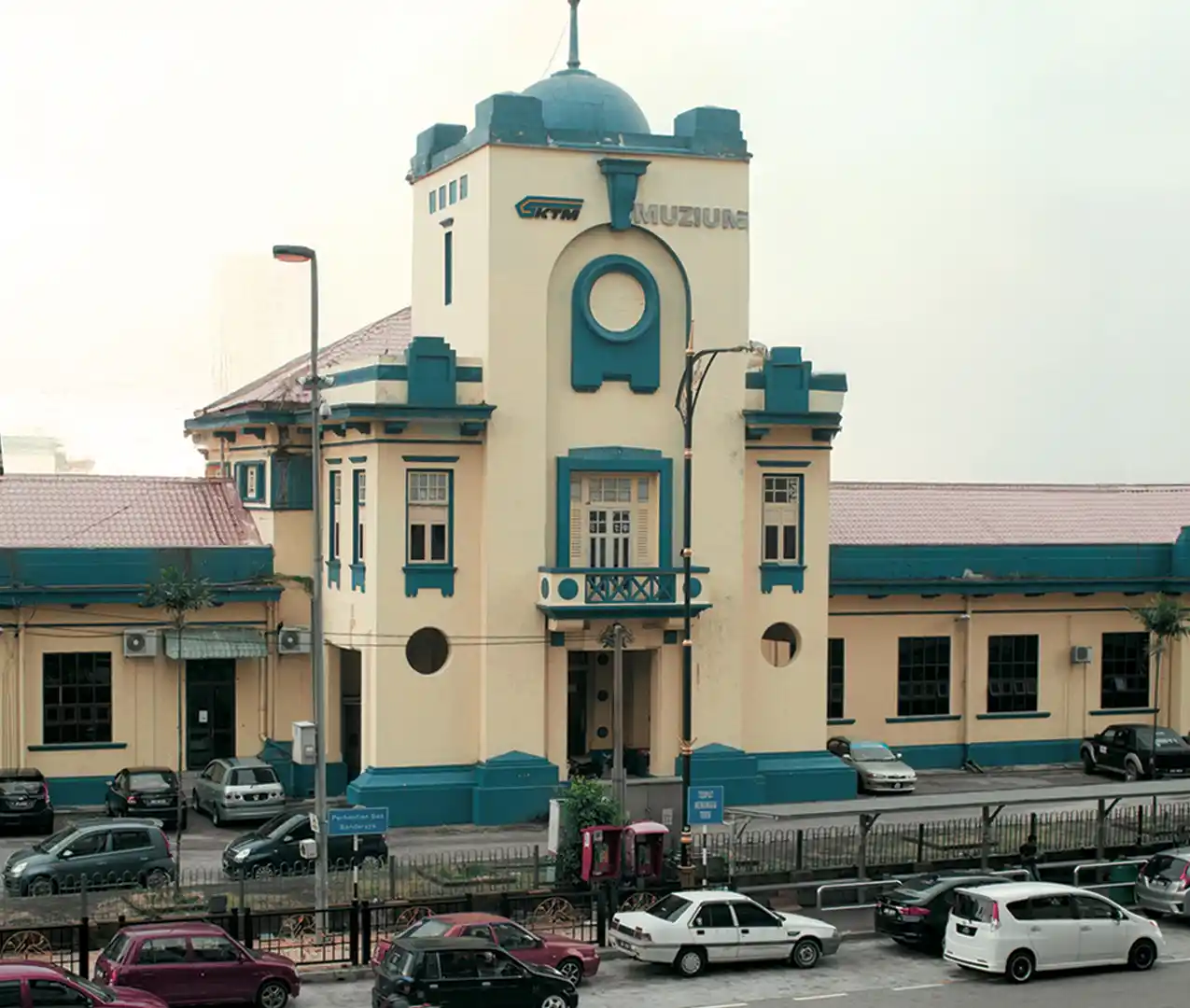
Laman Rel Mahkota

Preserving Railway Legacy
Discover the stories and the history behind the tracks that connected people and places in centuries past and for centuries to come.

Contact Us

Laman Rel Mahkota,
Jalan Station, 86000,
Kluang, Johor Darul Takzim,
Malaysia.

9:00 AM - 6:00 PM, Monday to Sunday
Sumbangan Ikhlas
daripada YTL

Copyright © 2025 YTL Corporation Berhad [198201012898 (92647-H)].